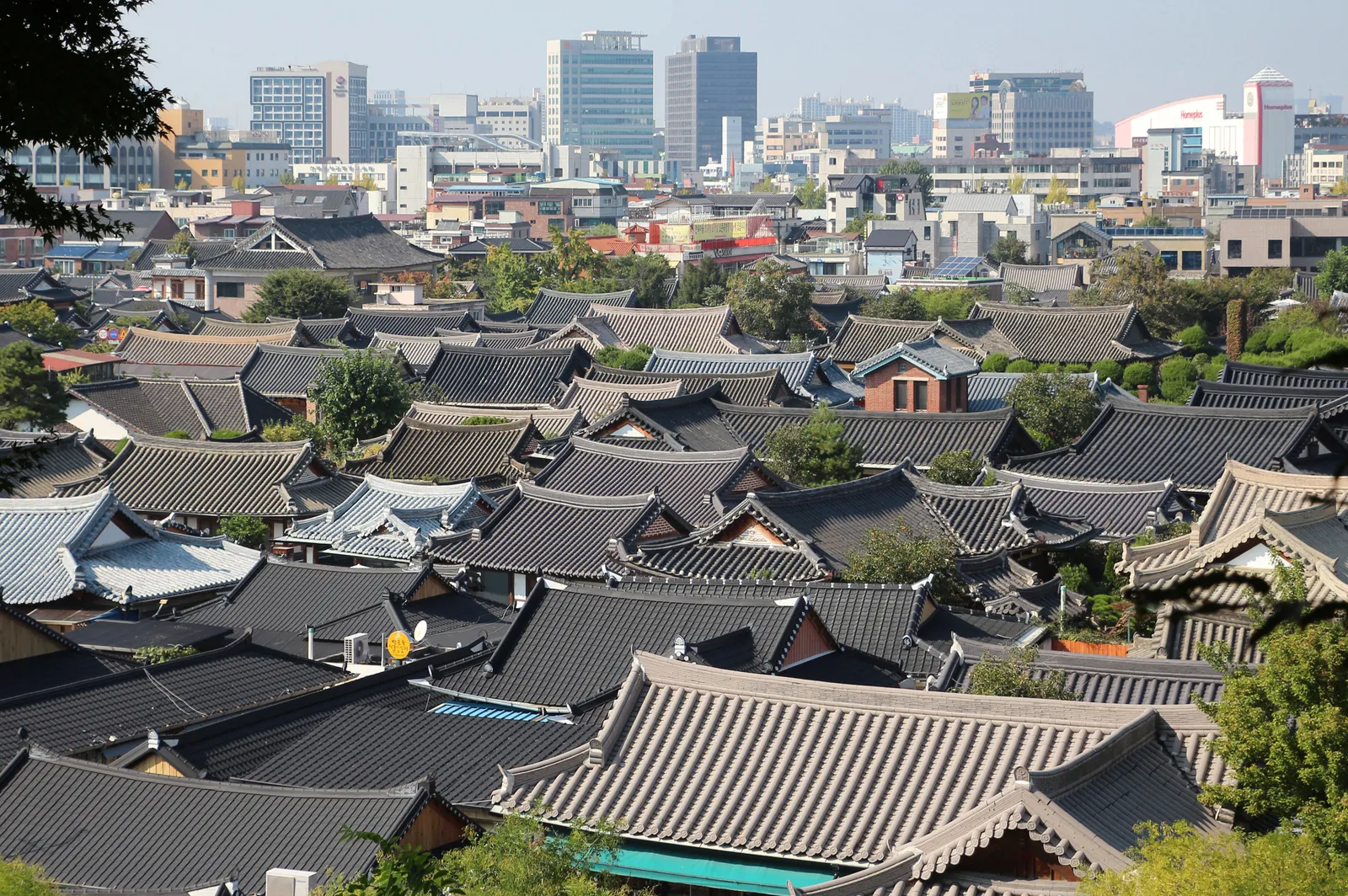
Jeonju and Andong, South Korea
Hanji paper certified to the mulberry field, the pulping day and the papermaker.
Papermakers in Jeonju and Andong make hanji by hand from mulberry bark. We record each sheet's field, its pulping day and its maker, so a collector can check the origin.
minji@hanjiledger.storeSheets in the register
HJ-8101Certified
HJ-8107Traded
HJ-8114Archived
HJ-8120Certified
Bark to signed sheet
Harvest
Mulberry bark is cut in the season and logged to the field.
Pulp
Bark is pulped and the batch is dated.
Sheet
Sheets are made by hand and numbered.
Certify
The maker signs and the sheet is certified.
Three marks on every sheet's line
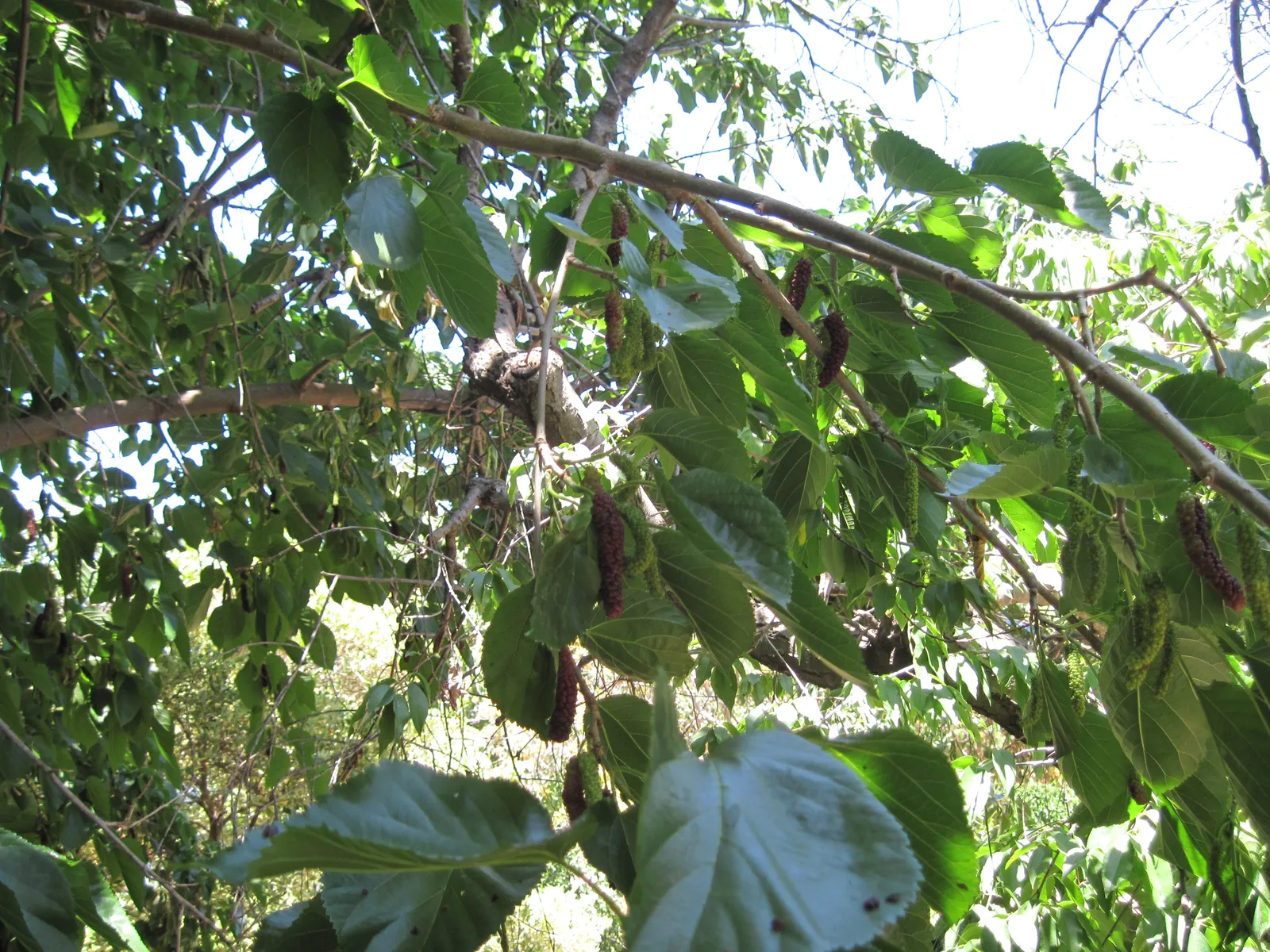
Field recordThe mulberry field and its harvest season are written on the sheet's line.
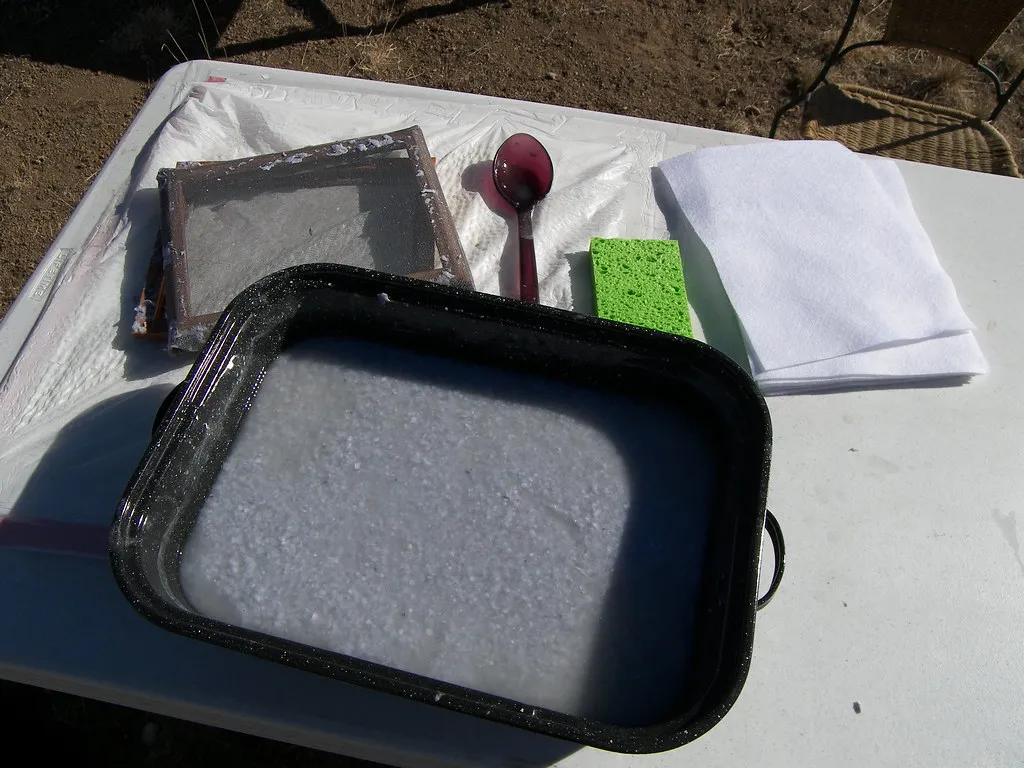
Pulping logThe pulping date and the water source are kept for each batch.
Maker signatureThe papermaker signs the batch, and the collector can read the signature on the record.
Collectors ask
Who checks the field?
The workshop names the field. A collector can ask the cooperative to confirm it.
Can an old batch be removed?
No. Old batches move to the archive tag and remain on the record.
Does this replace the workshop seal?
No. It sits next to the seal and adds the field and the pulping date.